
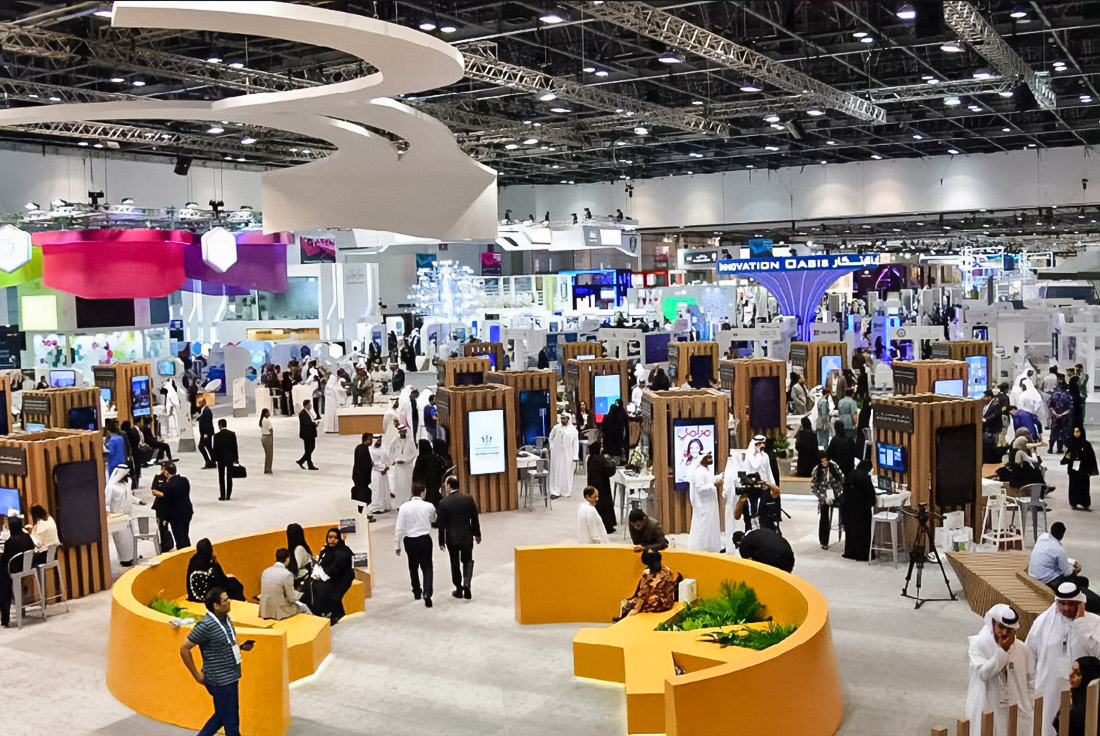
Exhibitions remain one of the most expensive marketing tools. The budget is formed quickly, and the result is often blurry. It is easy to justify participation in the event with feelings, but it is difficult to justify it with numbers. That is why ROI, return on investment, is becoming a key indicator that separates beneficial participation from expensive presence.
The problem is not with the ROI formula. It is simple and straightforward. The difficulty arises from the fact that an exhibition rarely generates instant revenue. The effect is distributed over time, affects the sales funnel, and often manifests itself months later. If this is not taken into account, the calculation of efficiency turns into an illusion of control.
ROI And ROO: Why Count More Than Sales
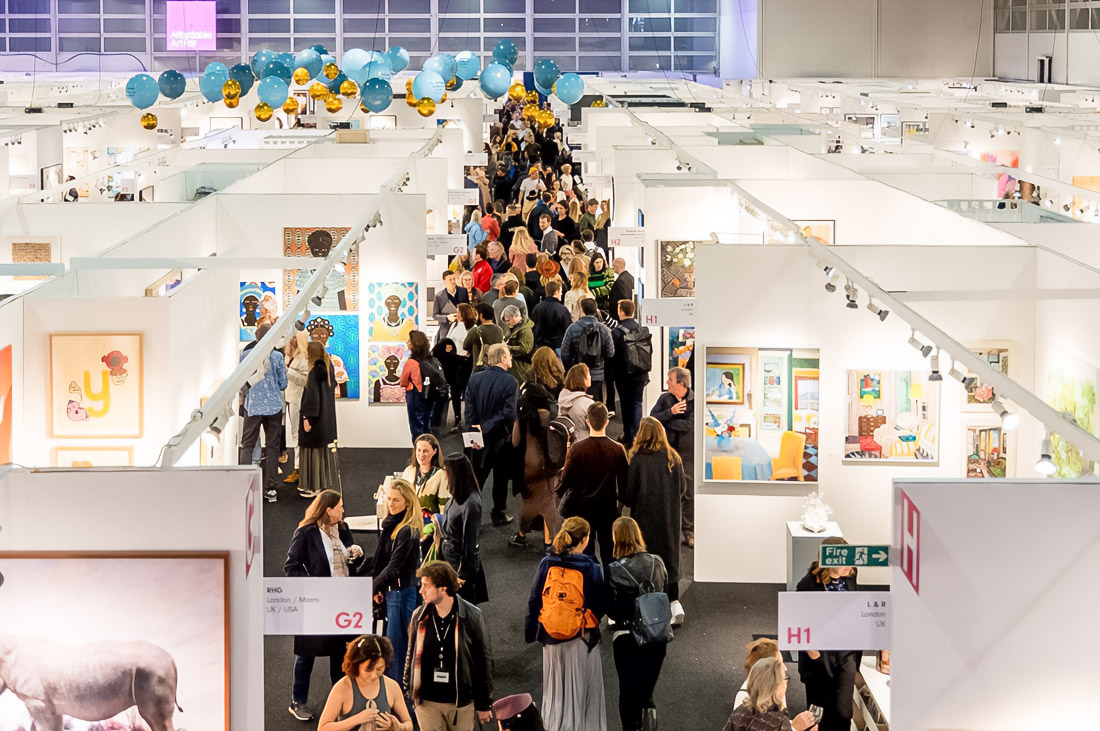
ROI in the exhibition context is the ratio of the value received and all investments. Investments include rent, booth design, logistics, staff work, team time, and decisions related to Exhibition Stand Design UAE that directly influence visitor behavior and interaction depth. Value is not always expressed in money at once. This is where ROO, return on objectives, comes in.
ROO allows you to take into account the achievement of non-financial goals. This may be an increase in recognition, an increase in the number of strategic meetings, or a strengthening of positions in the industry. For events with a long transaction cycle, which can last from 2 to 12 months, this approach becomes critically important.
However, without numbers, ROO quickly turns into an excuse. Therefore, goals and KPIs should be fixed in advance. This is the only way to understand what exactly the exhibition provided and what role it played in overall marketing effectiveness.
Lead Generation And Contact Quality
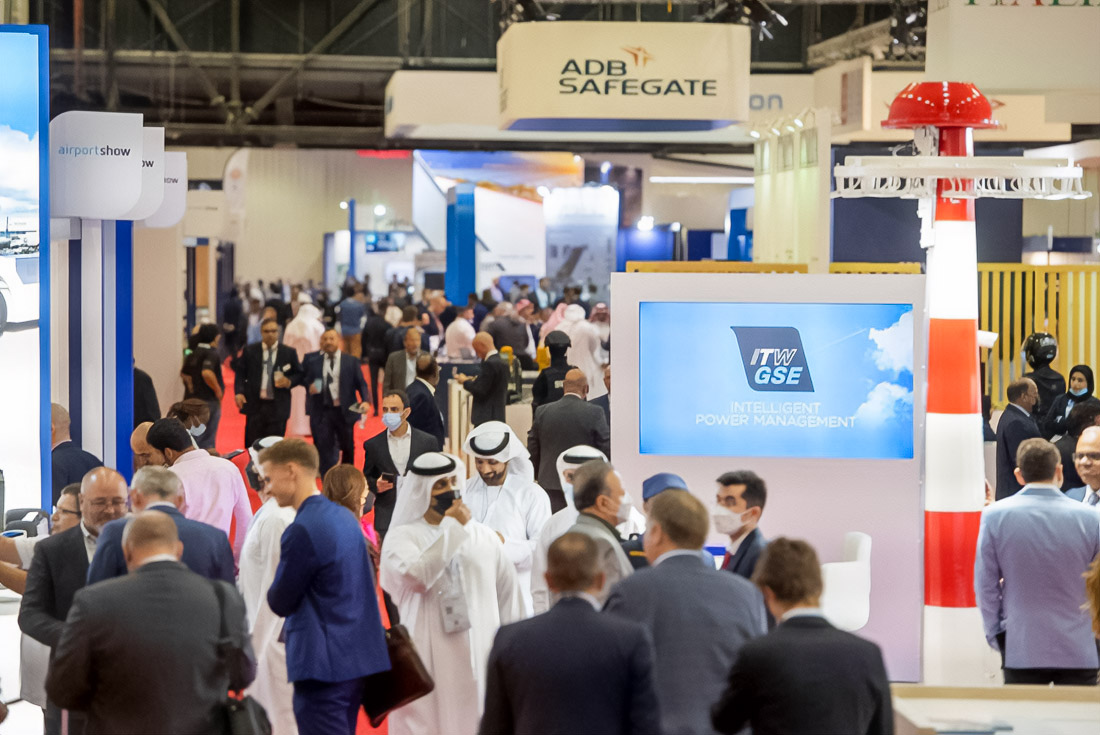
One of the most common self-deceptions is traffic orientation. Visitors by themselves do not create value. Leads and their quality create value. That’s why leads need to be classified.
Cold leads are recorded contacts with no expressed purchase intention. Hot leads are visitors with a clear interest, request, or potential deal. The difference between them directly affects the cost of the lead, cost per lead, and conversion in the sales funnel.
Research shows that stands with thoughtful interaction logic provide up to 34% higher lead quality. At the same time, interactive elements and technologies can increase the number of qualified leads by up to 65%. It’s not cosmetics. This is the effect on the result.
Booth Design And Visitor Behavior
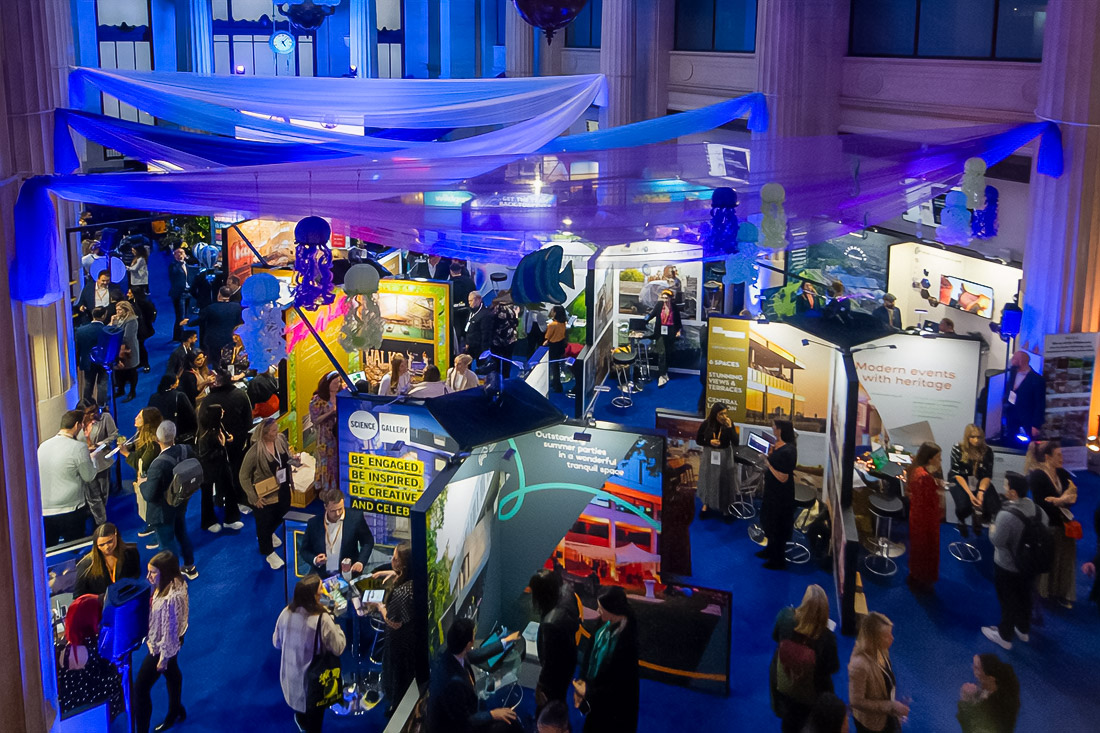
The visitor has about three seconds to make a decision. During this time, he does not analyze the brand. It reacts to space. Layout, message readability, and traffic flow work faster than any arguments.
A strategically placed booth increases engagement by about 25%. Visitors spend an average of 23% more time at such a stand. This time turns into conversations, demonstrations, and data that can be analyzed.
It is important to understand that design is not a decoration. It is a tool for managing attention and behavior. It is he who determines whether the contact will become a lead or remain a fleeting glance.
Data, Budget, And Long-Term Value
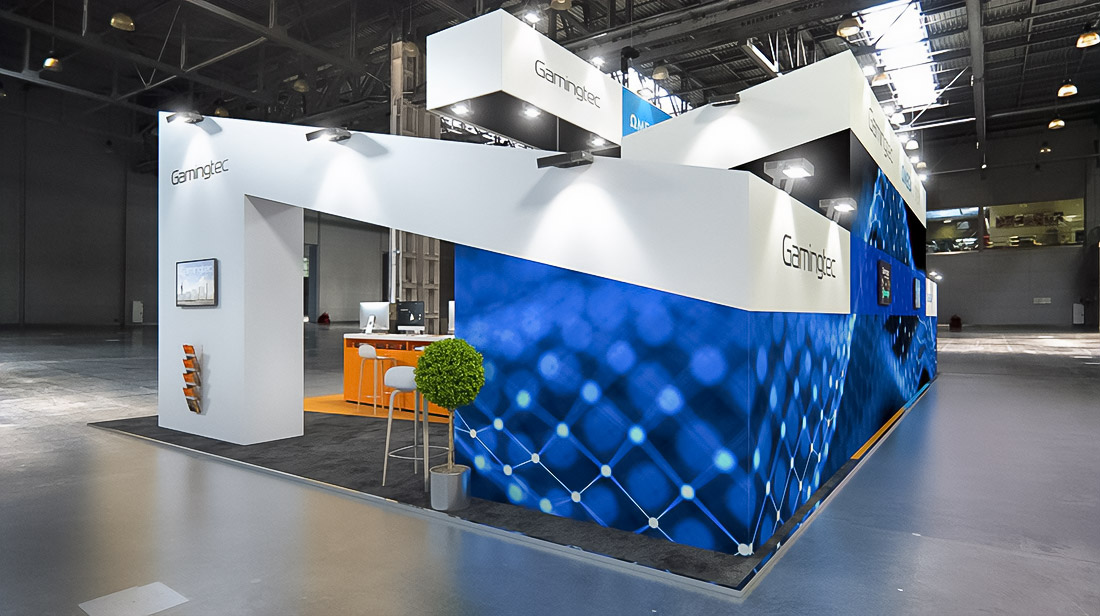
There is no ROI without data collection. Recording contacts, tracking interaction time, analyzing the flow of visitors and subsequent work with CRM form the basis for evaluating effectiveness. At the same time, about 35% of event participants actually track which leads reach sales. The rest lose the connection between the event and the result.
The budget of the exhibition is usually distributed predictably. About 30–40% is spent on the construction and design of the stand. Another 15–20% is for visual materials. Technology accounts for 10–15%, while logistics accounts for up to a quarter of the budget. Optimization is possible due to modular solutions that are used for 3–5 consecutive events, reducing the cost of one contact.
An exhibition ceases to be an expense only when it is considered as part of the system. With goals, metrics, analysis, and follow-up. In this case, ROI becomes not a report, but a growth management tool.

Hello! My name is James Carter, and I am a passionate photographer from England. From the moment I first took a camera in my hands, photography became for me not just a profession, but a way to see the world. From spontaneous street shots to breathtaking landscapes – I dedicate my life to capturing the beauty surrounding us.